Single or double story extension; whats right for your home?
Single-Storey or Double-Storey Extension: Which Is Right for Your Home?
If you need more space but don't want to move, extending your existing property can be a practical way to create a home that works better for you. One of the first decisions is whether to build a single-storey or double-storey extension.
Both can add valuable living space, but the right choice will depend on your property, budget, planning considerations and what you want to achieve.
What Can You Achieve With a Single-Storey Extension?
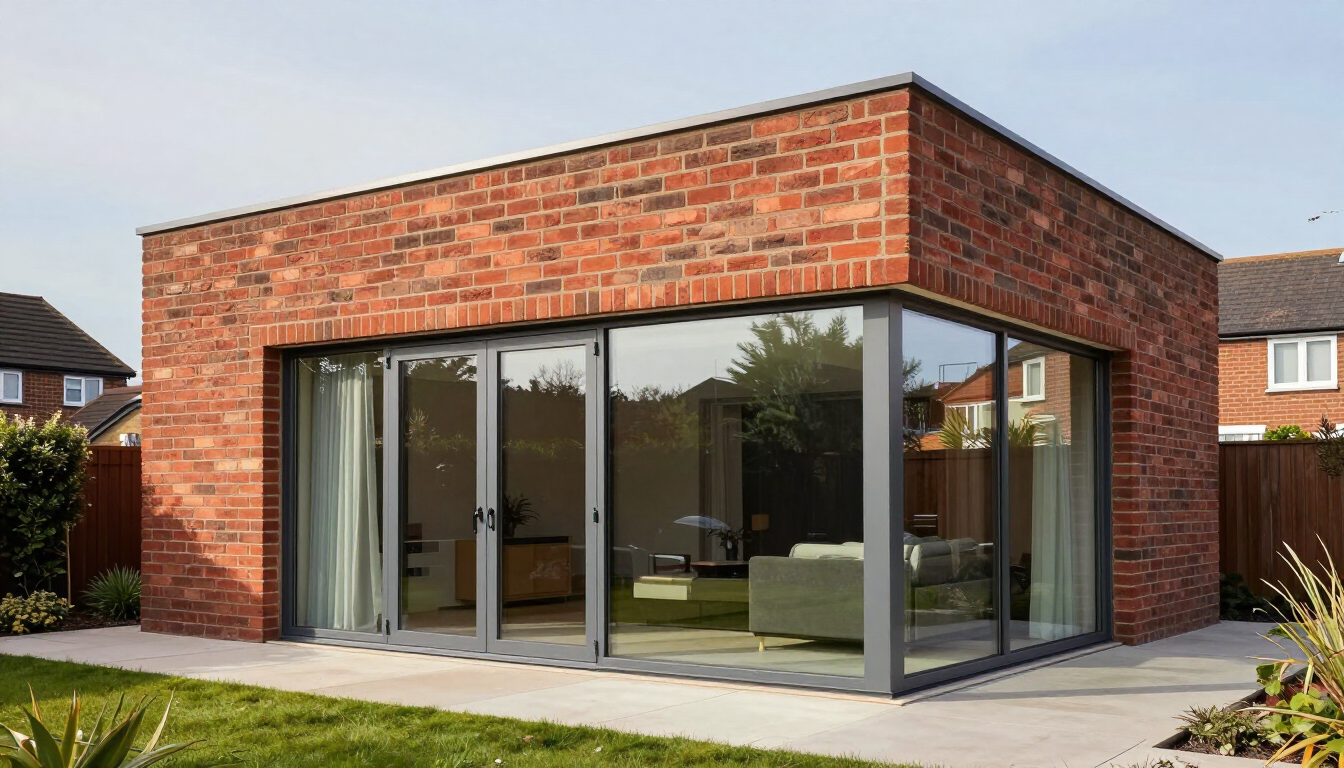
Single-storey extensions are particularly popular for creating larger kitchens, dining rooms and open-plan family spaces. They can also provide space for a home office, utility room, downstairs bathroom or additional living area.
A rear or side extension can significantly change the ground floor without altering the bedrooms upstairs.
Because the work is generally less extensive, a single-storey extension will normally cost less and cause less disruption than adding two floors. It can therefore be a good option if your main priority is improving how you use the ground floor.
The downside is that you are sacrificing some garden or outside space without increasing the size of the first floor.
When Does a Double-Storey Extension Make Sense?
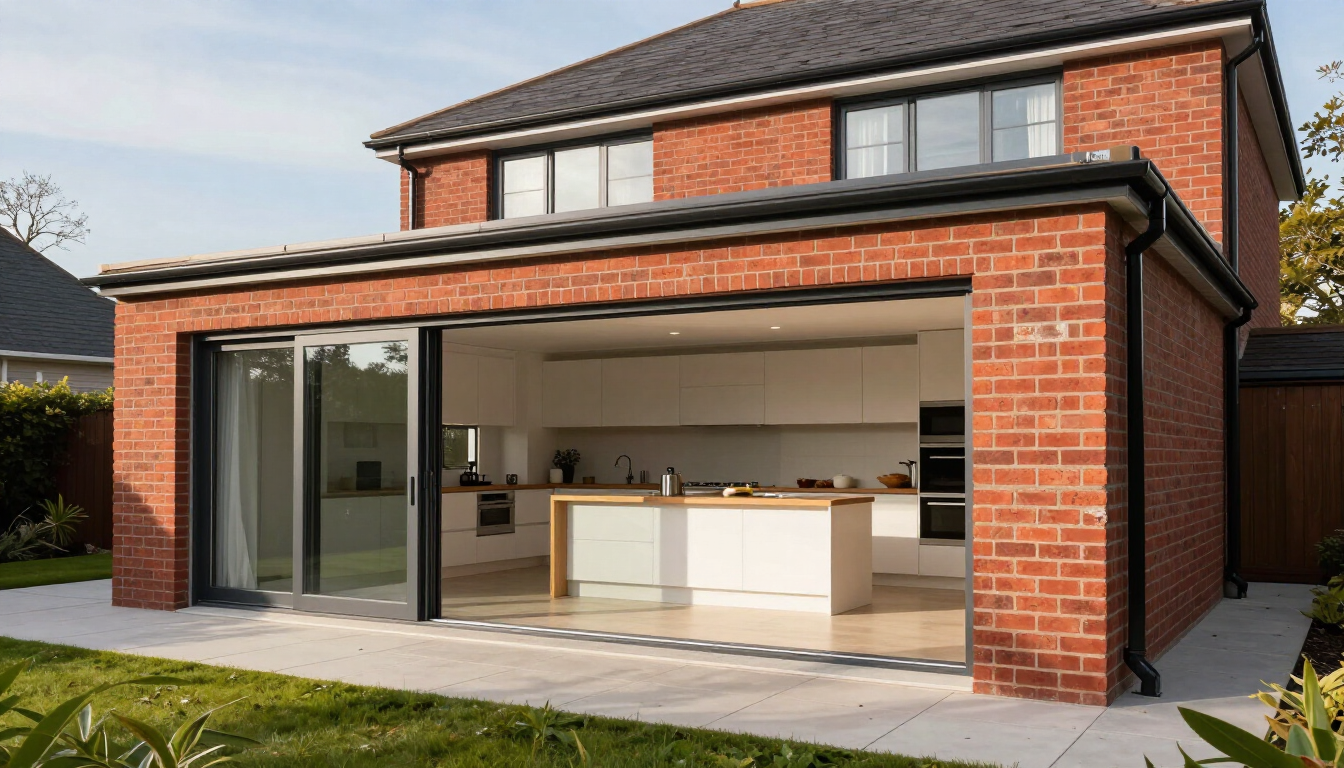
A double-storey extension uses broadly the same area of land as a single-storey extension but creates additional space across two floors.
For example, the ground floor could provide a larger kitchen and dining room, while the floor above could create another bedroom, bathroom, dressing room, or home office.
This can make a double-storey extension particularly attractive for growing families or homeowners who want to add substantial space without moving to a larger property.
Although it will cost more overall, the cost per square metre of additional floor space can sometimes compare favourably with a single-storey extension because elements such as the foundations and roof are being used to create considerably more usable space.
What About Planning Permission?
Whether planning permission is required will depend on the size, position and design of the extension, as well as the type and location of the property.
Some single-storey and double-storey extensions may fall within permitted development rights, but there are strict limitations regarding factors such as height, depth and proximity to boundaries.
Double-storey extensions will generally have more impact on neighbouring properties, so overlooking, loss of light and the overall appearance of the building become particularly important considerations.
It is sensible to check the planning position early in the project rather than developing detailed plans around an extension that may not be permitted.
Which Causes More Disruption?
Any extension will cause some disruption, particularly when the new structure is connected to the existing house.
A double-storey extension is normally a larger and longer project because work is taking place across two levels. There may also be more extensive structural alterations to the existing property.
However, if you know you will eventually need additional space upstairs, completing both floors as one project may be considerably less disruptive than building a single-storey extension now and extending again several years later.
Which Offers Better Long-Term Value?
The answer depends on what buyers in your area want and whether the extension improves the overall balance of the property.
Adding an additional bedroom can potentially have a significant effect on a home's value, while a well-designed kitchen and family room can make the property considerably more attractive to future buyers.
But bigger isn't automatically better. An extension that leaves a property with very little garden, awkward room proportions or insufficient parking may be less attractive than a smaller, carefully considered project.
Choosing the Right Extension
If you mainly want a larger kitchen or more ground-floor living space, a single-storey extension may provide everything you need.
If you need additional bedrooms as well as more living space, a double-storey extension could provide better long-term value and make more efficient use of the available footprint.
At Mayflower Brickwork & Construction, we undertake extensions and structural building work across Southampton and Hampshire. If you're considering extending your home, contact us to discuss your plans and the practical options available for your property
Contact Us